Using Project Objectives to Drive Simulation Quality Control

I’m pleased to announce that I’ll be presenting Using Project Objectives to Drive Simulation Quality Control at this year’s Winter Simulation Conference.

My focus will be on creating useful, accurate, reliable, and credible simulation analyses founded upon your project’s objectives.

I’m honored to be a member of this conference’s Industrial Advisory Board, and my talk will be a part of their Keys to Simulation Success series, together with a group of highly respected and influential presenters. The details are in the flyer below, and I highly recommend that you catch their presentations.

I will also be hosting a panel on Simulation in Industry: Past, Present & Future, and will post further details shortly.

I hope you will join us in Seattle for what is shaping up to be another fantastic conference!

Flyer, detailing: Winter Simulation Conference December 7-10, 2025 Seattle, WA Register at WinterSim.org Industrial Advisory Board Presents Keys to Simulation Success: Using Project Objectives to Drive Simulation Quality Control—Mike Allen, President, Hindsight Consulting Simulation and Al—Andrei Borshchev, CEO, AnyLogic Planning for Simulation Project Success—Jennifer Cowden, Director of Consulting Services, BigBear Al Miscommunication in Simulation: Same Terms, Different Models—Amy Greer, Principal Simulation Engineer, MOSIMTEC & Jiaxi Zhu, Head of Analytics, Google How and When to Scope and Simplify Industry Simulations—Nate Ivey Senior Simulation Consultant, Rockwell Automation & Nancy Zupick, Manager of Arena Software, Rockwell Automation Verification and Validation in the Real World—Renee Thiesing, President, Promita LLC
Keys to Simulation Success Flyer

The Monty Hall Problem

The Monty Hall problem concerns a strategy for a game show. It is loosely based upon an American TV game show called Let’s Make A Deal and is named after the show’s presenter, Monty Hall.

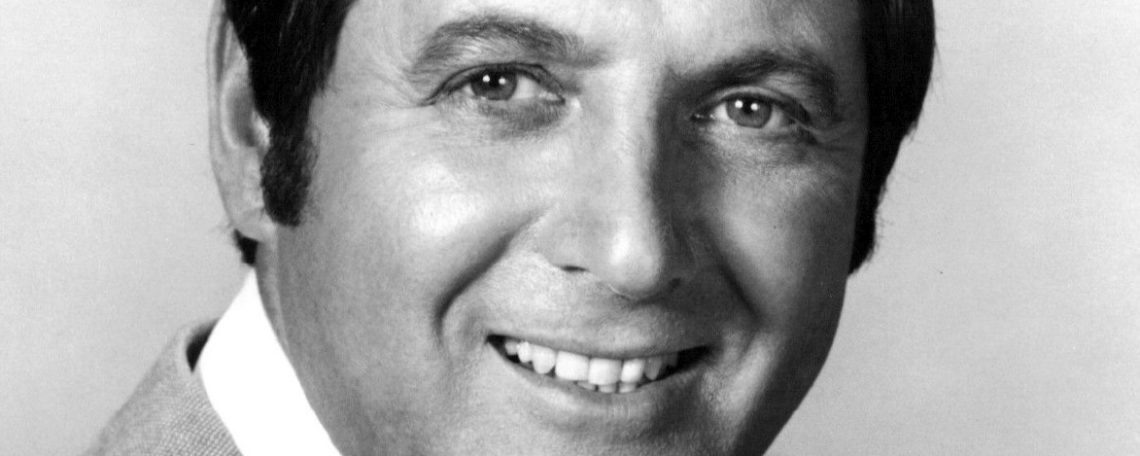
Monty Hall
Monty Hall, presenter of Let’s Make A Deal

Let’s Make A Deal

The problem was originally posed (in a slightly different form) by Steve Selvin to the scientific journal, The American Statistician in 1975. However, it was made famous by a reader’s letter to Parade magazine in 1990. The letter asked:

Suppose you’re on a game show, and you’re given the choice of three doors: Behind one door is a car; behind the others, goats. You pick a door, say No. 1, and the host, who knows what’s behind the doors, opens another door, say No. 3, which has a goat. He then says to you, “Do you want to pick door No. 2?” Is it to your advantage to switch your choice?

It’s Decision Time

If you were the contestant, what would your decision be? Stick with the door you originally chose (door 1, in this specific case) or switch to the remaining door (door 2)? Do your odds of winning improve if you switch your choice of door? Or are you more likely to lose the car if you make the switch? Or does it make no difference?